Better Tree Pruning Starts With the Right Cut
Do your trees have branches rubbing against the roof, blocking a driveway, or hanging lower every year? In, CA, regular pruning can make a noticeable difference in tree health, clearance, appearance, and wildfire preparedness—but only when the work is done with a clear plan.
At Timmerman Tree Service, we have helped property owners care for trees across, El Dorado County, and nearby communities for more than 24 years. Our team combines practical field experience with careful trimming practices, and we are licensed under California contractor license number 925469.
This guide explains what homeowners can safely look for, when pruning should be scheduled, and why removing a few branches is not always as simple as it appears.

Why Pruning Matters in
Trees around often face a combination of summer heat, dry conditions, winter rain, wind, and limited clearance around homes. A neglected canopy can develop deadwood, weakly attached branches, excessive weight, or limbs that interfere with power lines and structures.
Thoughtful pruning improves airflow and light penetration while reducing the chance that dead or poorly attached branches will fail. It can also preserve a tree’s natural shape instead of forcing it into an unnatural “lollipop” or heavily stripped appearance.
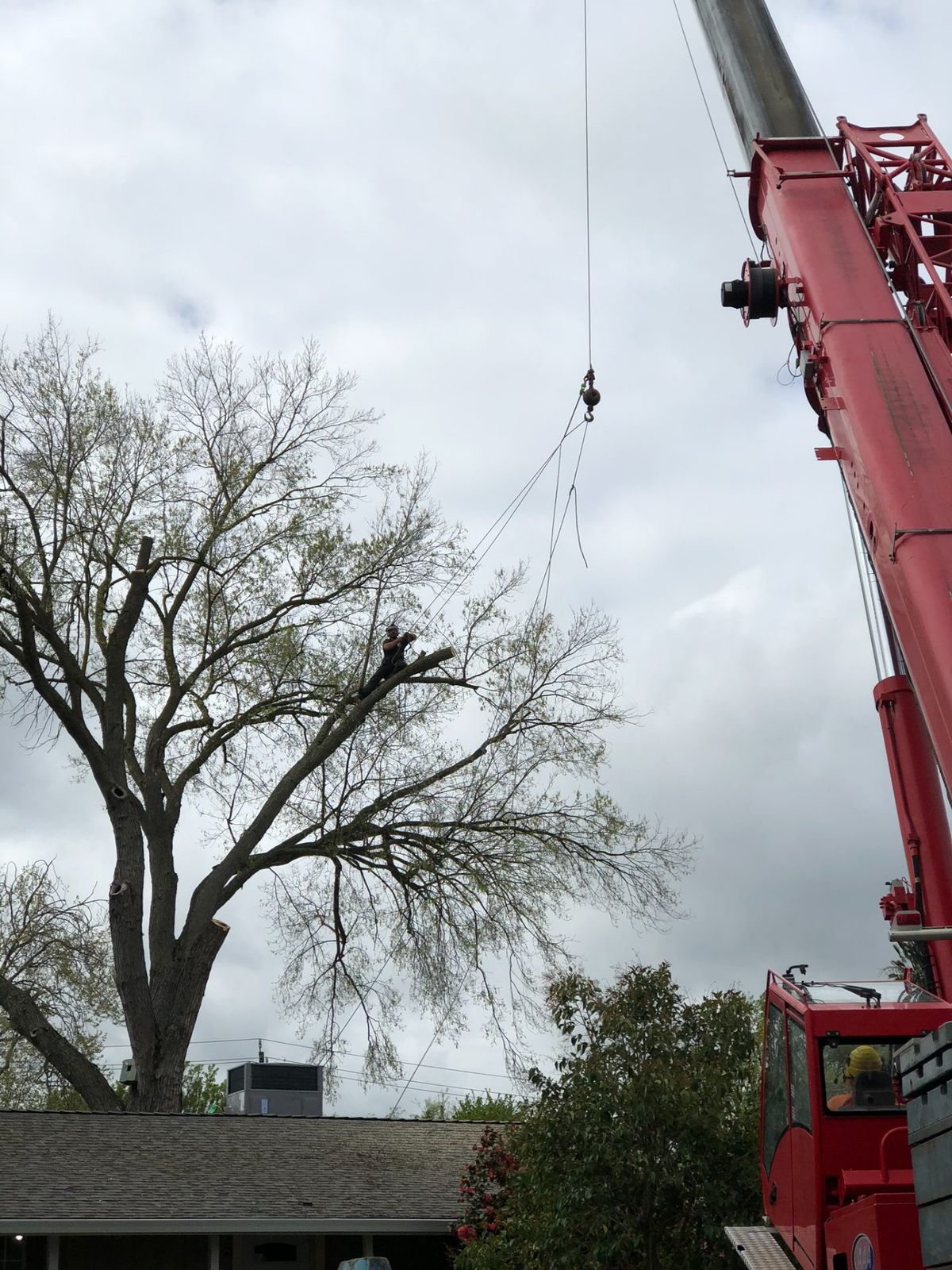
For mature trees near homes, roads, or play areas, our Tree Pruning service focuses on selective cuts rather than unnecessary removal. We inspect branch unions, clearance needs, tree condition, and the surrounding property before deciding what should stay and what should go.
Tree Pruning Tips for, CA Homeowners
The best pruning plan depends on the tree species, its age, its condition, and the reason for trimming. California oaks, ornamental trees, fruit trees, pines, and shrubs do not all respond to pruning in the same way. Before picking up a saw, walk around the tree and identify the goal.
Common reasons to prune include:
- Removing dead, broken, diseased, or crossing branches
- Raising limbs over roofs, walkways, driveways, and roads
- Improving visibility near intersections and entrances
- Reducing contact with buildings without cutting away too much canopy
- Removing water sprouts and competing leaders when appropriate
- Creating defensible space around structures while preserving healthy growth
A good rule is to remove the smallest amount of live growth needed to solve the problem. Removing too much at once can expose branches and trunk tissue to intense sun, stress the tree, and encourage weak regrowth. For most mature trees, we prefer a measured approach rather than trying to complete years of deferred maintenance in one visit.
When Is the Best Time to Prune Trees?
Timing depends on the species and the purpose of the work. Dead or hazardous branches can be addressed whenever necessary, especially when they threaten a home, vehicle, walkway, or utility line. Waiting for a particular season is not worth the risk of a branch that is already failing.
For many structural pruning projects, late winter or the tree’s appropriate dormant period can be a useful window because the branch structure is easier to see and the tree is under less active growth. However, local conditions matter. In dry foothill communities, we also consider heat, drought stress, recent weather, and the tree’s overall vigor before scheduling work.
Fruit trees may need pruning based on production goals, while flowering trees are often pruned after blooming so next season’s buds are not removed unnecessarily. Oak pruning deserves additional care because cuts can create infection opportunities. If you are unsure about timing, an on-site assessment is safer than applying a one-size-fits-all calendar.
How to Make a Proper Pruning Cut
The location and size of a cut matter as much as the branch being removed. Branches should generally be cut just outside the branch collar—the slightly swollen area where the branch meets the trunk or parent limb. Cutting flush against the trunk removes protective tissue, while leaving a long stub can slow closure and invite decay.
For a larger limb, use a three-step reduction method:
- Make a shallow undercut a short distance out from the final cut so the bark does not tear toward the trunk.
- Make a second cut from above, farther out on the branch, to remove most of the limb’s weight.
- Finish with a clean cut just outside the branch collar, without damaging the collar itself.
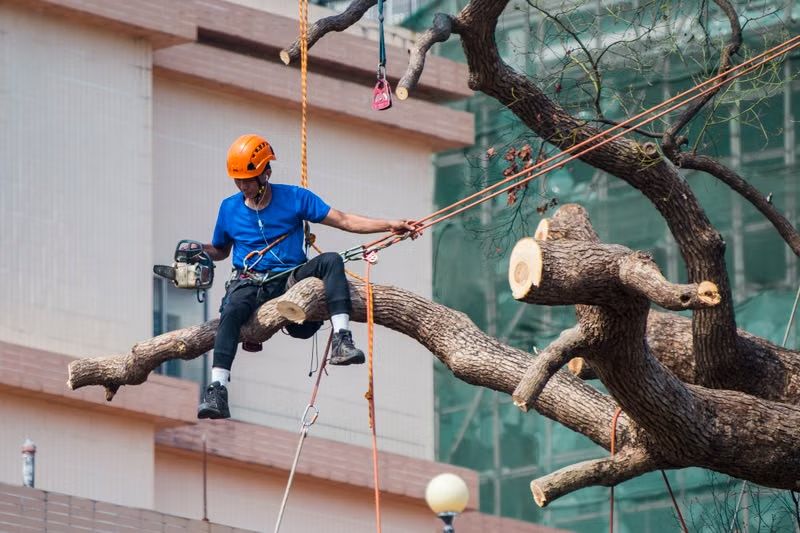
Keep tools sharp and clean, and never make large cuts simply because a branch is inconvenient. Avoid topping, which cuts major limbs back to stubs and often produces fast-growing, weakly attached sprouts. Also avoid climbing with a chainsaw, cutting near energized lines, or standing below a limb being cut. Those tasks belong to trained professionals with the right equipment.
Pruning for Fire Safety and Property Clearance
In, El Dorado Hills, Cameron Park, Placerville, and surrounding foothill areas, vegetation management is an important part of responsible property care. Pruning alone does not make a property fireproof, but it can reduce ladder fuels and improve separation between vegetation and structures when combined with brush removal and proper ground maintenance.
Start by checking whether branches touch the roof, chimney, gutters, siding, decks, or fences. Look for low limbs that connect taller shrubs or grasses to the tree canopy. Remove dry material from beneath trees, keep access routes open, and maintain the clearance recommended by local fire authorities and your insurance provider.
Our team can help evaluate trees as part of a broader cleanup plan. Depending on the property, that may include Brush Removal, brush chipping, or selective land clearing—not indiscriminate removal of every tree. In our 24 years of experience, the safest and most attractive results usually come from combining canopy work with careful cleanup at ground level.
Know When a Tree Is Beyond DIY Pruning
Homeowners can often remove a small dead twig with hand pruners when both feet are safely on the ground. The situation changes quickly when a branch is large, overhead, near a structure, leaning, split, or close to a power line. Wet ground, steep terrain, and hidden decay can make even a familiar backyard tree hazardous.
Call a professional if you notice hanging branches, deep cracks, cavities, mushrooms at the base, lifted soil, unusual leaning, or multiple dead limbs in the upper canopy. We serve homeowners throughout and neighboring communities, including El Dorado, Rescue, Diamond Springs, and Folsom. If a tree has suffered storm damage, our Storm Damage Cleanup service can help address immediate hazards and clear fallen material safely.
Frequently Asked Questions
How often should I have my trees pruned in?
Many residential trees benefit from an inspection every one to three years, although fast-growing trees, storm-damaged trees, and trees near structures may need attention sooner. Timmerman Tree Service evaluates growth, clearance, deadwood, and structural concerns rather than recommending the same schedule for every property.
Can I prune a tree myself if the branches are small?
Small branches may be manageable when you are standing safely on the ground and using clean, sharp hand tools. Do not use a ladder or chainsaw for overhead work, and do not prune near power lines; our licensed team can handle elevated, heavy, or hazardous branches throughout and El Dorado County.
Is tree topping a good way to control height?
No. Topping creates large wounds and encourages weakly attached sprouts that can become future hazards. We use selective reduction or removal cuts when appropriate, preserving the tree’s natural structure and removing only what is necessary.
How much does tree pruning cost?
Pricing depends on tree size, species, access, branch weight, equipment needs, cleanup, and proximity to buildings or utilities. A small pruning job may take a few hours, while complex mature-tree work can require most of a day; we provide a clear quote after seeing the property.
Do you haul away the branches after pruning?
Yes, cleanup is part of how we approach a pruning project, and we can discuss options for larger logs, firewood, or chipped material. For heavier vegetation and accumulated brush, we can also coordinate brush removal or chipping so the finished property is safer and cleaner.